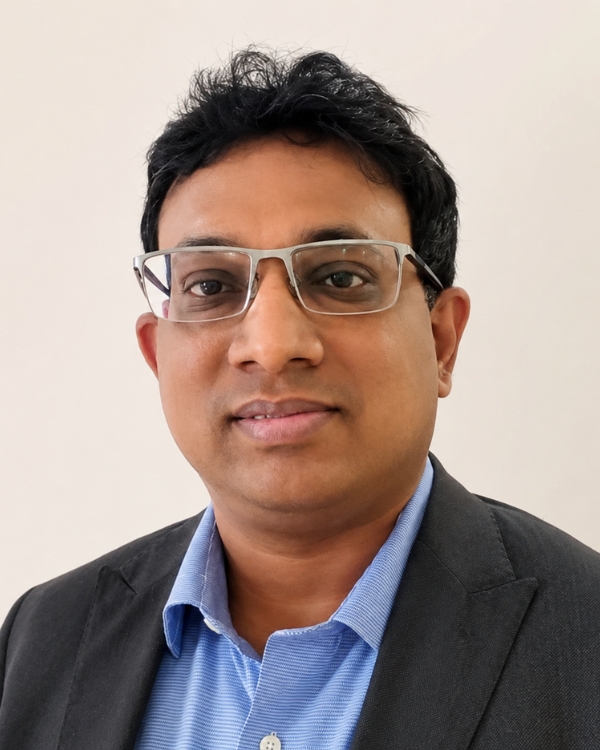
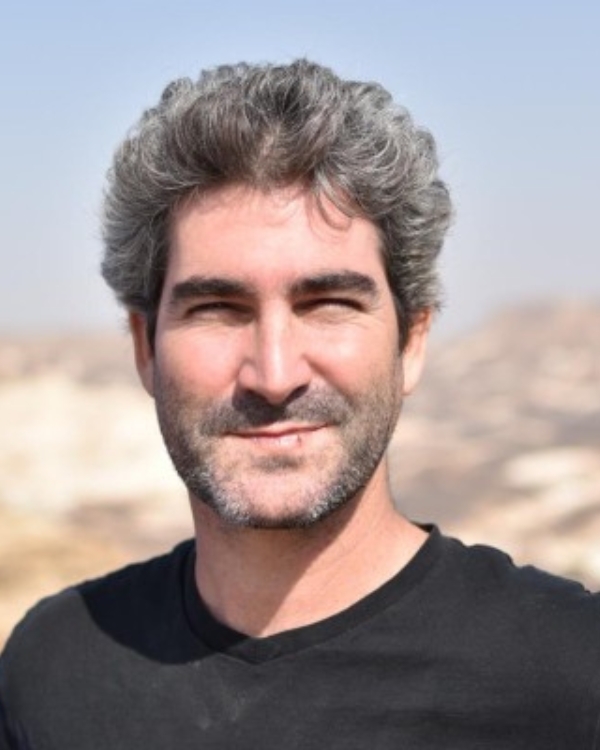
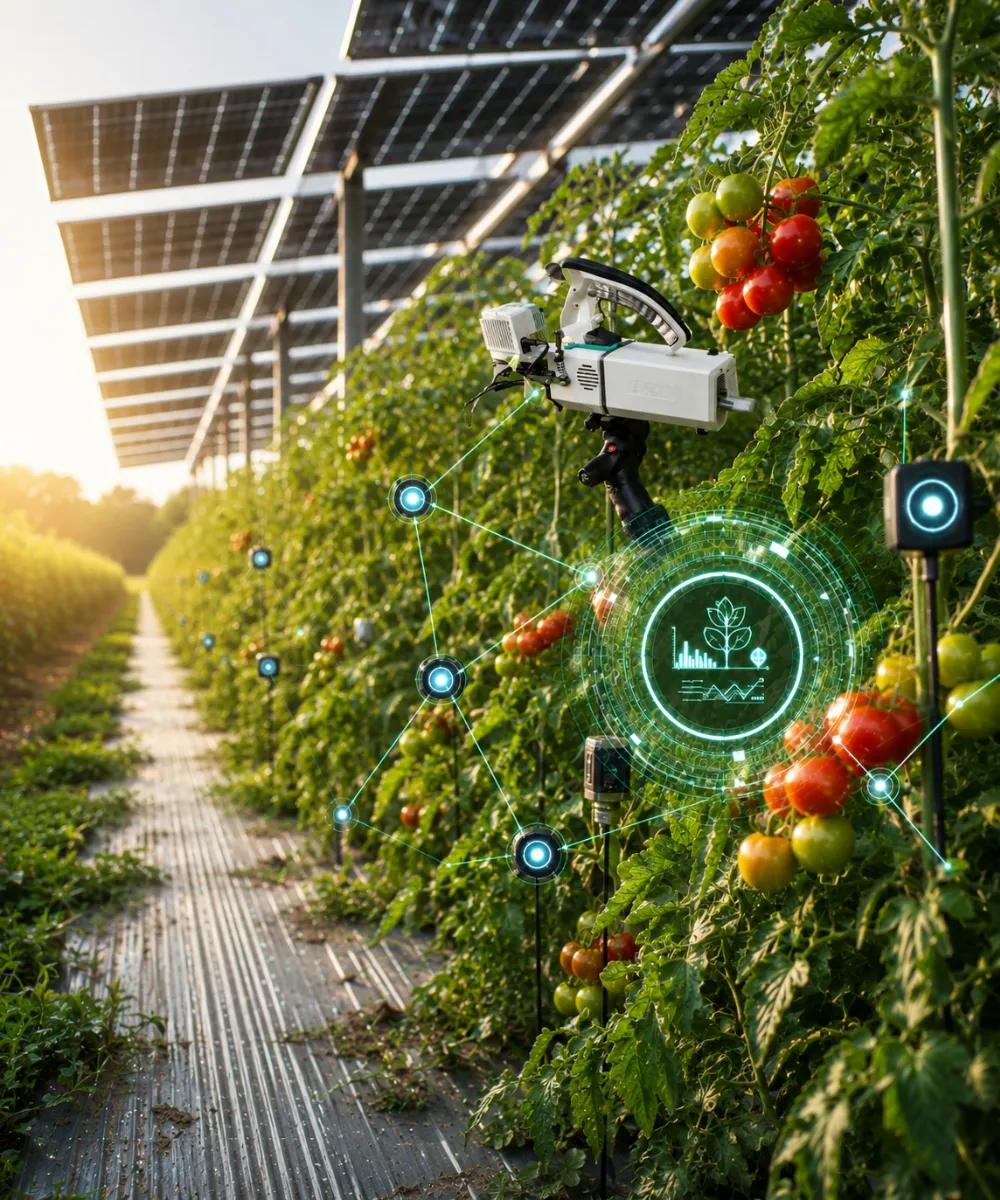
At SunSeed APV, our strength lies in the diversity of expertise that powers our mission. We bring together leaders from the fields of solar engineering, agronomy, plant science, simulation modeling, data intelligence, and project execution under one roof to create a new generation of agrivoltaic solutions.
United by a shared vision of , our team works at the intersection of food, energy, and climate resilience—developing intelligent systems that maximize land productivity while creating long-term value for communities, businesses, and the planet.
Solar energy is electricity generated from sunlight using photovoltaic (PV) panels. These panels absorb sunlight and convert it into direct current (DC), which is then transformed into usable alternating current (AC) by an inverter to power your home or business.
Yes. While the upfront cost may vary, solar systems drastically reduce monthly electricity bills and often pay for themselves within 5–7 years. Many countries also offer incentives, tax credits, or feed-in tariffs to further enhance savings.
Most solar panels are designed to last 25 to 30 years. Even after that, they continue to produce electricity at around 80% of their original efficiency, making them a long-term investment.
Not necessarily. Batteries are optional and allow you to store excess energy for later use or during power outages. Without batteries, your system can still function by exporting excess power to the grid.
Yes. With the right system size and design, solar panels can supply 100% of your energy needs, depending on location, usage patterns, and sunlight exposure.
Have Any Other Question?
Reach Out, We’re Always Listening
Builds trust and signals that your team is open, approachable, and responsive to inquiries.